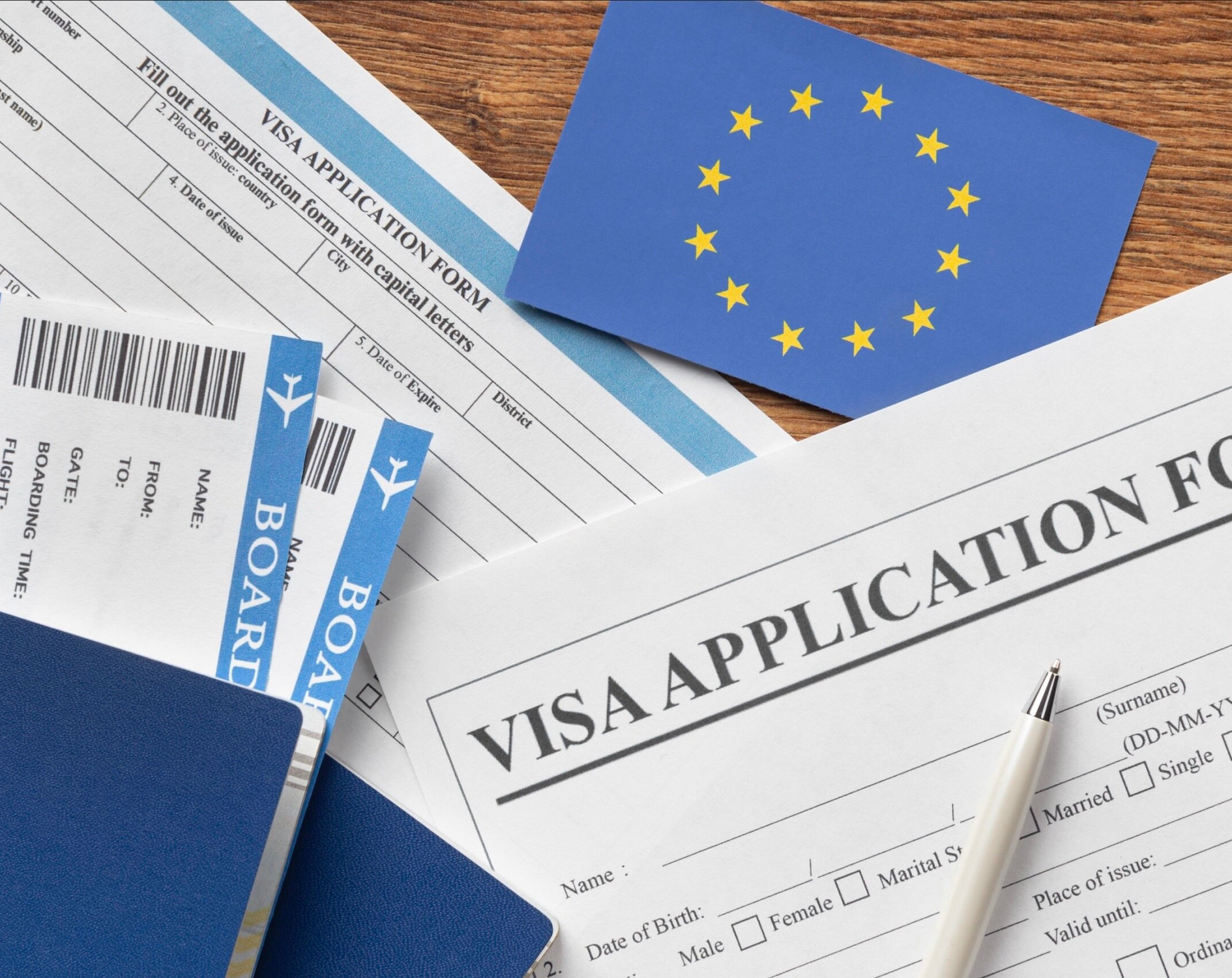

Planning a family trip to Europe is always exciting. When you’re bringing along a nanny to help with the kids, there’s even more to organise and think about.
Getting a Schengen visa for a Filipino nanny in the UAE isn’t really any different from other visa applications on paper. But in practice, applications from nannies working in the UAE tend to get extra attention from Schengen consulates.
Why visa application from a nanny is reviewed with extra care
Schengen consulates look at every visa application with migration risk in mind. Applications from Filipino domestic workers and nannies living in the UAE are subject to the same rules as all other applicant categories. But in reality, these applications often get a second look.
The main goal for both the applicant and the sponsor is to show the consulate that the nanny will come back to the UAE with the family after the trip. To do that, you need to provide solid proof that she has strong ties to her home here.
If you are planning to bring your nanny along on your European holiday, understanding these consulate concerns in advance will help you prepare a much stronger application.
Frequent reasons for Schengen visa refusal for Filipino nannies
Every visa application is different, so it’s important to put together documents that match the nanny’s specific situation and have a strong supporting letter from the employer. Based on our data at The Visa Services, here are the top 5 reasons why a consulate might turn down a visa for a nanny.
1. Weak ties to the UAE
The consulate wants to see that the nanny has good reasons to come back to the UAE. A valid employment contract that doesn’t expire anytime soon is one of the most important pieces of evidence you can provide.
2. Insufficient financial support
The sponsor’s bank statements need to show a steady income and enough money to cover all the costs of the trip. If large amounts of money suddenly appear in the account just before you submit the application, it could raise red flags with the consulate.
3. A short employment period with the current employer
Some consulates want to see that the nanny has been with the sponsoring family for at least six months before they’ll approve a visa.
4. Incomplete or mismatched documents
If the dates on your flight bookings, hotel reservations, and application form don’t line up, that could be a reason for refusal. It’s really important to make sure every single date matches across all your documents.
5. No clear explanation for the trip
The sponsor needs to spell out exactly why the nanny is coming along on the family trip to Europe. If the cover letter is vague or doesn’t give a good reason, consular officers will start asking questions.
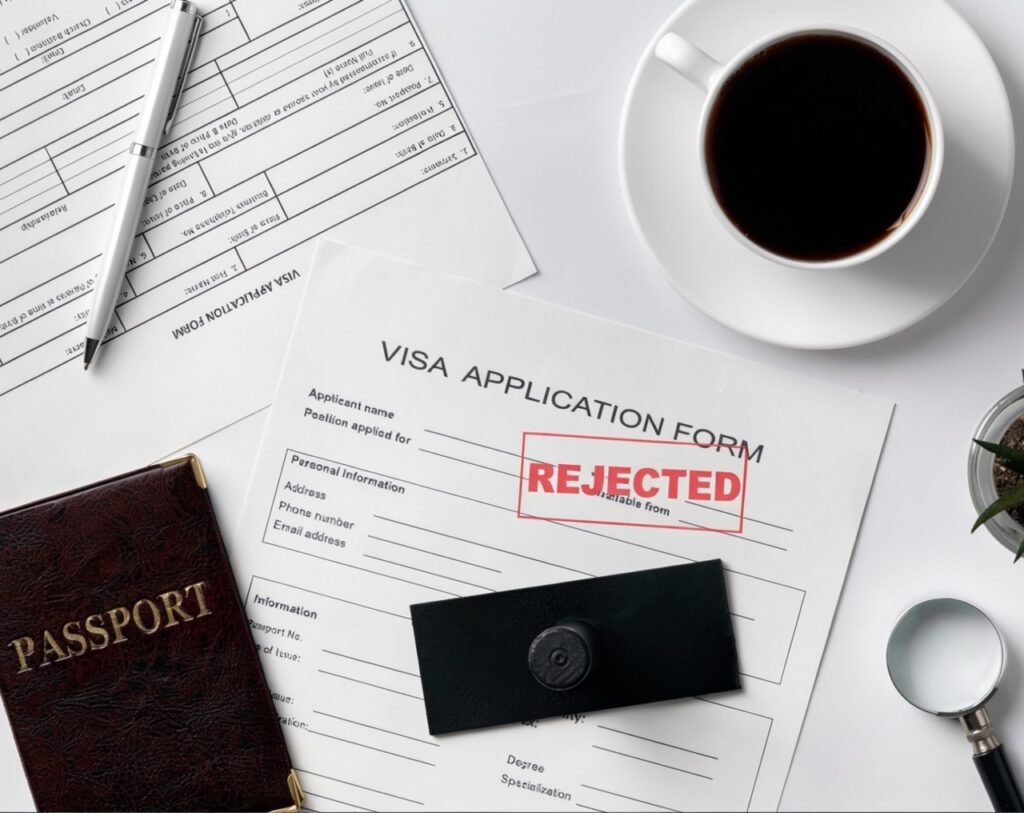
Previous visa refusals can also work against you. All refusals are recorded in the shared Visa Information System, so the consulate will know about them. If there have been Schengen visa refusals in the past, it’s important to address those reasons head-on in the new application and provide stronger supporting documents to back up your case.
We have helped many clients successfully reapply after a refusal, and we know exactly which weak points to strengthen.
Need fast, professional visa assistance?
Contact our team
The sponsor’s role in a successful application
The employer who sponsors the nanny’s trip plays a key role in the success of the application. The main responsibility for preparing a complete and thorough set of documents falls on the sponsor.
The sponsor must provide
- A letter committing to cover all trip expenses
- Bank statements for the last three months from a local UAE account, confirming financial capability
- A copy of the sponsor’s passport and valid UAE residency
- Confirmation of the employment relationship with the employee
The quality and consistency of the sponsor’s documents have a direct impact on the consulate’s decision. Even if you meet all the formal requirements for the visa, an incomplete application package or mismatched information can still lead to a refusal.
How to prove the intention to return to the UAE
Showing strong ties to return is a really important part of the application for a nanny from the UAE. The consulate needs to feel confident that she will leave the Schengen Area before her visa runs out.
Here’s what can help strengthen your case
- A valid employment contract with a clear end date
- A notarised No Objection Certificate (NOC) from the employer, confirming that her job will be waiting for her when she comes back
- A valid UAE residency that doesn’t expire until at least three months after the planned return date
- Documents showing she has family or other responsibilities in the UAE
The more convincing evidence of return you can provide, the higher the chance of a positive decision.
Choosing the right country for the application
When you’re planning your trip, it’s important to figure out which consulate you should submit your application to. The main rule is simple: you apply at the consulate of the country where you’ll be spending the most nights.
If your trip takes you to several Schengen countries, count up how many nights you’ll stay in each one and apply to the country where you’ll be staying the longest. If you’re spending the same number of days in two or more countries, then apply to the country where you’ll enter the Schengen Area first.
Not following this rule is a common reason for refusals, so it’s worth taking the time to get this decision right.
What to do if the nanny receives a Schengen visa refusal
If the consulate turns down the visa application, it doesn’t mean you have to give up on the trip. Our advice is to take a close look at the reasons for the refusal, fix the issues, and then submit a fresh application.
Just make sure the documents you send in this time are complete and free of any inconsistencies. If you’re able to adjust your travel plans, you might also consider applying through a different Schengen country instead.
Need help with the Shengen visa application?
Contact our team
Why are visa applications from domestic workers often rejected?
The main reason is insufficient evidence of the intention to return to the UAE after the trip. The consulate assesses the risks of immigration, and if the ties to return appear weak, the application is rejected.
How can we prove that the employee will return to the UAE?
Provide a valid employment contract, a No Objection Certificate (NOC) from the employer, and confirmation that the UAE residency is valid for at least three months after the return date.
Can a Schengen visa refusal be appealed?
Yes, within 15-30 days of receiving the refusal notice, the waiting period depends on the country you’re applying to. However, it is often better to submit a new application with a stronger set of documents.
Does a Schengen visa refusal affect future applications?
Yes, information about refusals is stored in the shared Visa Information System. However, a previous refusal does not automatically mean future applications will be rejected. If you address the reasons and provide stronger evidence, you can still be successful.
What if we were refused by one Schengen country — can we apply to another?
Yes, you can. If you adjust your itinerary so that your main destination changes, you may apply to a different Schengen country. Just make sure you follow the rule about spending the most nights in the country you apply to.