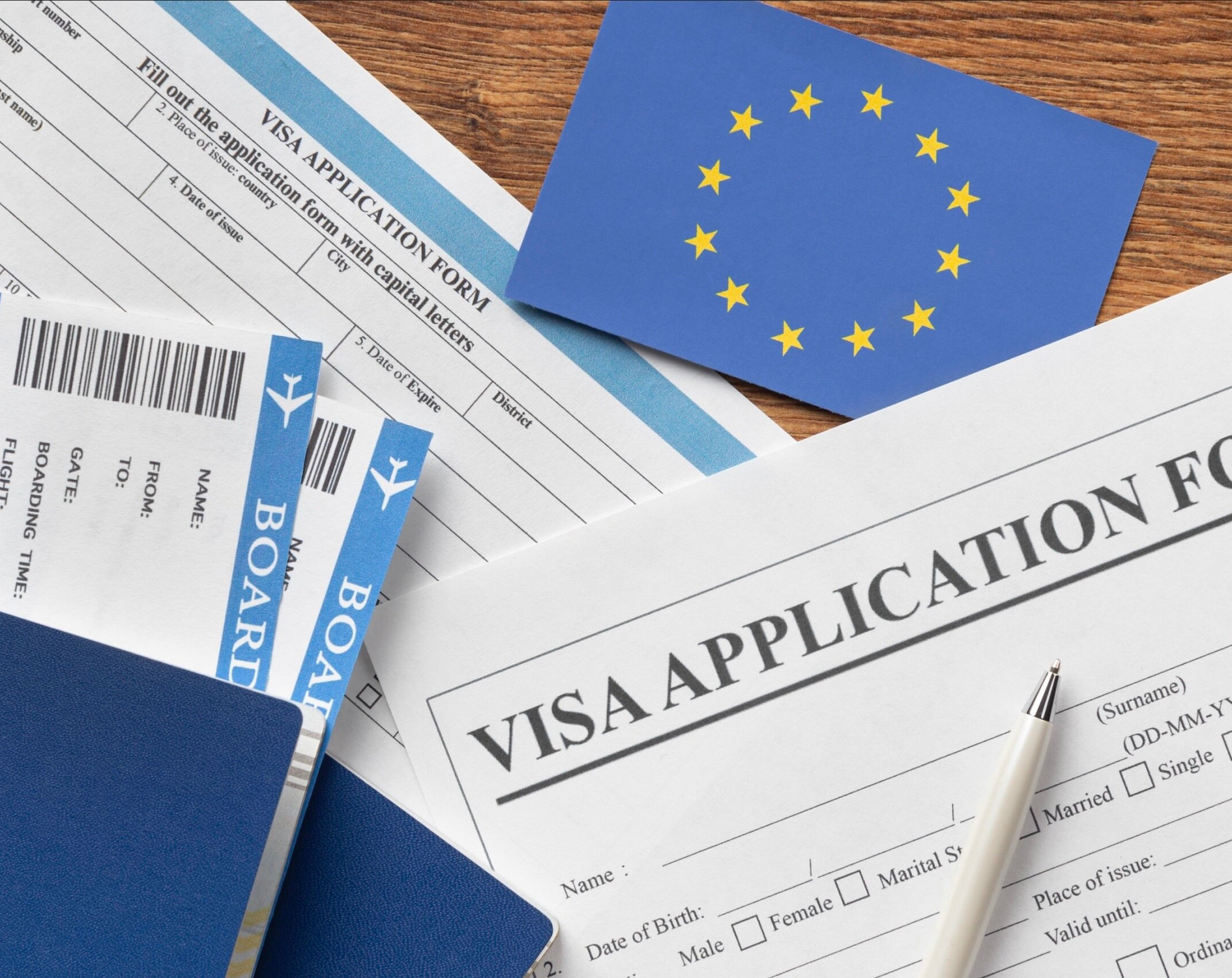

Jordanian citizens need a Schengen visa to enter the Schengen Area for short stays. This requirement is not optional and is determined solely by your passport, not by your country of residence. Jordan is listed in Annex I of Regulation (EU) 2018/1806, the official legal text that identifies which non-EU nationals must hold a visa when crossing the external borders of the Schengen states. Your UAE residence status does not exempt you from this rule.
If you hold a Jordanian passport, you must obtain a Schengen Type C visa before any trip to Europe for tourism, business, or visiting family. This visa allows you to stay for up to 90 days within any 180-day period across the 29 countries that apply the Schengen rules.
Key facts at a glance
| Question | Answer |
| Visa required? | Yes. Jordan is on the EU’s visa-required list for short-stay entry into the Schengen Area. |
| Visa type | Schengen Type C (uniform short-stay visa). |
| Fee | €90 for adults (~AED 385). Reduced fee €45 for children 6–11; free for under 6. |
| Insurance minimum | €30,000 medical cover for the entire Schengen stay. |
| Standard processing | 15 calendar days from the date of application. |
| Where UAE residents apply | At the consulate or visa application centre of the country that is your main destination. |

What is a Schengen type C visa?
A Schengen Type C visa is a short-stay authorization. It permits the holder to enter the Schengen Area and travel freely within it. It is a uniform visa, meaning it is valid for all countries in the zone. It is important to note that this visa does not apply to countries outside the Schengen Area, such as Ireland or Cyprus, which require separate national visas.
Why your UAE residence matters
Your UAE residence does not change the fact that you need a visa, but it is critical for another reason: it determines where you can apply.

Umer, visa expert at The Visa Services:
“As a matter of daily practice, I see this mistake more than any other: many travellers assume that holding a UAE residence visa somehow grants them visa-free access to Europe. It does not. Your passport is the only document that decides the visa requirement. However, your UAE residence status is what allows you to submit your application locally, rather than having to return to Jordan. These are two completely separate legal questions, and conflating them is the fastest way to derail your application. This isn’t a theoretical nuance — it’s a practical, repeatable observation I make on almost every file I process.”
As a UAE resident, you are not expected to travel to Jordan to submit your application. You must apply at the visa application centre or consulate that has jurisdiction over the UAE. Your legal status in the UAE, proven by your Emirates ID and residence visa, is a fundamental part of your application file.
The application process considers both factors:
- your Jordanian citizenship means you must get a visa.
- Your UAE residence means you can apply from Dubai or Abu Dhabi.
Where to apply in Dubai and Abu Dhabi
Schengen visa applications from the UAE are processed through official visa application centres. These centres handle the administrative parts of the application and then forward it to the relevant embassy or consulate for a decision.
You need to apply at the centre that represents your main destination. For most countries, there are centres in both Dubai and Abu Dhabi. However, some countries may have specific rules. For instance, applications for France are submitted in Abu Dhabi, even for residents of Dubai and the Northern Emirates. Always check the official rules for the country you plan to visit.
Not sure where to apply?
Contact our team
Which Schengen country should you apply to?
This is a crucial step. You must apply to the country that is your main destination.
This rule is determined by your travel itinerary.
- Main destination: Apply to the country where you will spend the most nights.
- Equal stay: If you are spending an equal number of nights in two or more countries, you must apply to the country where you will first enter the Schengen Area .
There is no option to choose a country based on where it is easier to get an appointment. The consulate will check your itinerary and can refuse your application if you apply to the wrong country.
Schengen area: 29 countries
The Schengen Area covers 29 European countries. A visa issued by one country is generally valid for travel to all the others, as long as you follow the main destination rule. These countries include major destinations such as France, Germany, Italy, Spain, and the Netherlands, as well as non-EU members like Norway and Switzerland.
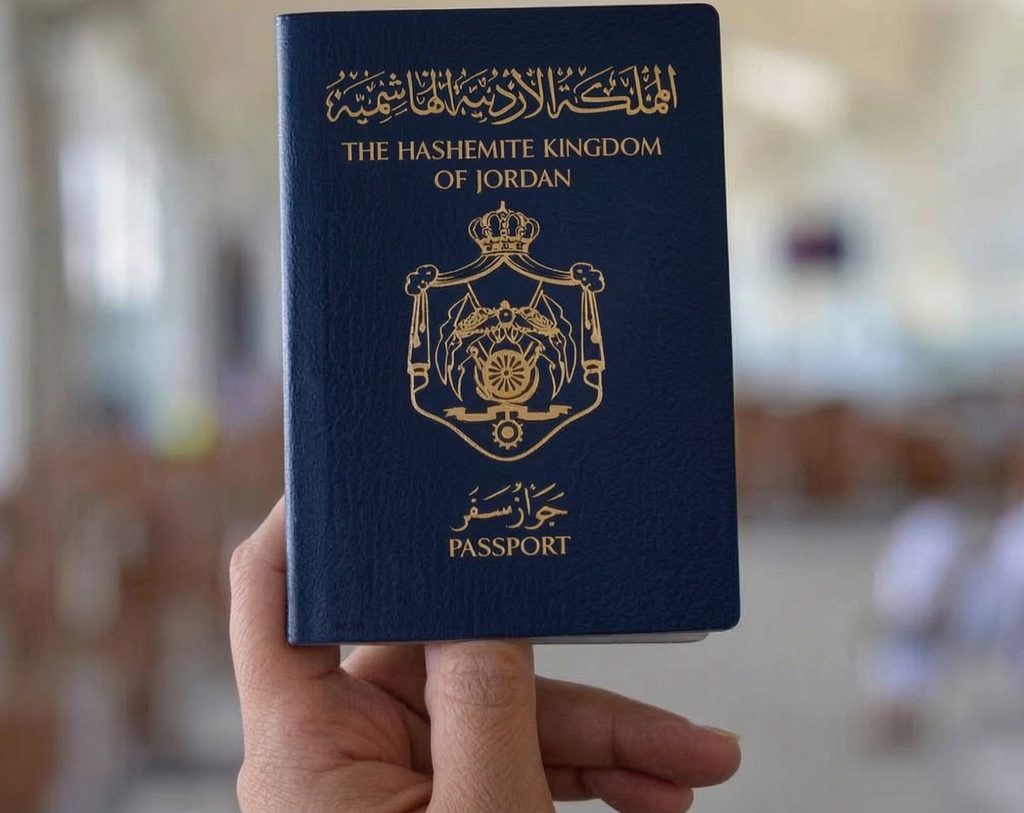
Documents Jordanian applicants need from the UAE
A complete and accurate document file is essential for a successful application. Missing or incorrect documents are a common reason for refusal.
| Document | Why It Is checked | Common mistake |
| Passport | To confirm identity and validity. Must have at least 3 months of validity beyond your planned departure from the Schengen Area and be issued within the last 10 years. | Submitting a passport with less than 3 months of validity left or with no blank pages for the visa sticker. |
| UAE residence visa & Emirates ID | To prove your legal status in the UAE and confirm you can apply locally. | Not checking that your UAE residence visa is valid for at least 3 months after the planned return date from Europe. |
| Completed application form | This is the official document stating your purpose and itinerary. | Making errors or leaving sections incomplete. The form must be signed. |
| Passport photos | For your visa sticker and the consulate’s records. Must meet ICAO standards. | Submitting a photo that is not recent or does not meet the required technical specifications. |
| Travel insurance | To ensure you have cover for medical emergencies and repatriation. | The policy does not cover the minimum €30,000 requirement or does not cover the entire Schengen Area. |
| Flight Itinerary & accommodation proof | To confirm your travel dates and places of stay. | Booking and paying for non-refundable flights or hotels before the visa is approved. |
| Bank statements | To prove you have sufficient funds to cover the trip. It should show a consistent flow of income, not just a large final balance. | Submitting statements with unexplained large deposits or not showing a regular salary matching your employment letter. |
| Employment documents | To confirm your job status, salary, and that you have permission to take leave. Recommended to include a No Objection Certificate (NOC) from your employer. | Dates on the NOC do not match the dates on your travel itinerary. |

Fees and what else you pay
The costs for a Schengen visa are standardised, but additional service fees can vary.
- Consular fee (Visa fee): this is the official government fee. It is non-refundable, even if your visa application is refused. The fee is €90 for adults. Children between the ages of six and eleven pay a reduced fee of €45. Children under six are exempt. These fees are paid in AED at the current exchange rate set by the consulate.
- Service fee: the visa application centre charges an additional service fee for processing your application. This fee varies depending on the centre and the country you are applying to.
- Travel insurance: the cost of your travel insurance is separate and depends on the provider and the length of your trip.
Let our team handle your complete Schengen visa file
Contact our team
Processing times and when to apply
The official standard processing time for a Schengen visa application — at least 15 calendar days from the date of submission. In peak seasons or for complex cases, it can be extended (45 calendar days).
When to apply
- Earliest: you can apply up to 6 months before your planned trip.
- Latest: you should apply at least 15 calendar days before your trip. However, in practice, it is strongly recommended to apply 4 to 6 weeks in advance, especially during busy travel periods like summer or the winter holidays. Appointment slots at the visa application centres fill up very quickly.
Timeline at a glance
| Stage | Timeframe |
| Application window | Up to 6 months before travel. |
| Recommended submission | 4–6 weeks before travel to allow for peak periods. |
| Standard processing | Up to 15 calendar days. |
| Extended processing | Up to 45 calendar days in individual cases. |
How to apply step by step
- Complete the form: fill out the Schengen visa application form online for your chosen destination. Print and sign it.
- Book an appointment: schedule an appointment at the visa application centre for the country that is your main destination. Appointments are required and cannot be bypassed.
- Attend the appointment: go to the centre on your appointment date. Submit your complete file of documents. You will also provide biometric data: fingerprints and a digital photo.
- Pay the fee: pay the consular and any applicable service fees at the centre. Payments are usually made in AED.
- Wait for processing: your file will be reviewed by the consulate. You may be contacted if any additional information is needed.
- Collect your passport: the passport with the visa sticker (or a refusal letter) will be returned to the centre for you to collect.
Travel insurance requirements
Comprehensive travel insurance is a mandatory part of the Schengen visa application. The policy must be valid throughout the entire Schengen Area and cover the full duration of your stay.
- Minimum coverage: The insurance must provide a minimum cover of €30 000 for medical emergencies, hospital care, and medical repatriation.
- Validity: It must be valid in all Schengen states and for the entire period of your trip. The policy must explicitly state this.
At the border: EES and the 90/180 rule
The 90/180 rule
A Schengen visa allows you to stay for a maximum of 90 days in any 180-day period. This rule applies across the entire Schengen Area, not to individual countries. You must track your stays carefully .
The entry/exit system (EES)
The EU has introduced a new Entry/Exit System (EES) at the borders of the Schengen Area. It became fully operational on 10 April 2026. Instead of stamping your passport, the system will register your entry and exit data, including a facial image and fingerprints. This system will track your stays automatically to ensure you are not exceeding the 90/180-day limit. Having a visa does not guarantee entry; the final decision is always made by the border guard at the point of entry.
Common mistakes to avoid
- Wrong country of application: applying to the wrong consulate because it is easier to get an appointment. Use the main destination rule to choose correctly.
- Late appointment: waiting too long to book an appointment. This is the most common cause of travel delays.
- Incomplete file: not submitting all required documents. Check the official checklist carefully.
- Short passport validity: your passport must be valid for at least three months after you plan to leave the Schengen area.
- Inconsistent information: travel dates that do not match your employment NOC or accommodation bookings.
Apply for your Schengen visa today
Contact our team
Do Jordanian citizens need a visa for Europe?
Yes, Jordanian citizens must have a Schengen visa for short stays in Europe, regardless of where they reside. This requirement is set by EU regulations.
Can a Jordanian citizen apply for a Schengen visa from the UAE?
Yes, if they are a legal UAE resident, they can apply at the Schengen visa application centre that serves their Emirates of residence and for their main destination country.
Which Schengen country should a Jordanian apply to?
Apply to the country where you will spend the most nights. If you are spending equal time in several countries, apply to the country where you will first enter the Schengen Area.
How much does a Schengen visa cost for Jordanians?
The standard adult visa fee is €90. Children aged 6-11 pay €45. Children under 6 are exempt. A service fee from the visa application centre will also apply.
How long does a Schengen visa take from Dubai?
It takes up to 15 calendar days, but it is recommended to allow 4-6 weeks. In busy seasons, it can take longer.
Do Jordanians need ETIAS?
No. ETIAS (European Travel Information and Authorisation System) is for citizens of visa-exempt countries. As Jordanian citizens need a visa, ETIAS does not replace this requirement.
This article is for informational purposes only and does not constitute legal or immigration advice. The decision on a visa is solely at the discretion of the consulate. Visa fees, processing times, and requirements are subject to change. Always verify all details with the official consulate or embassy website for your specific destination before applying. All information and requirements outlined in this guide are current as of September 2026.