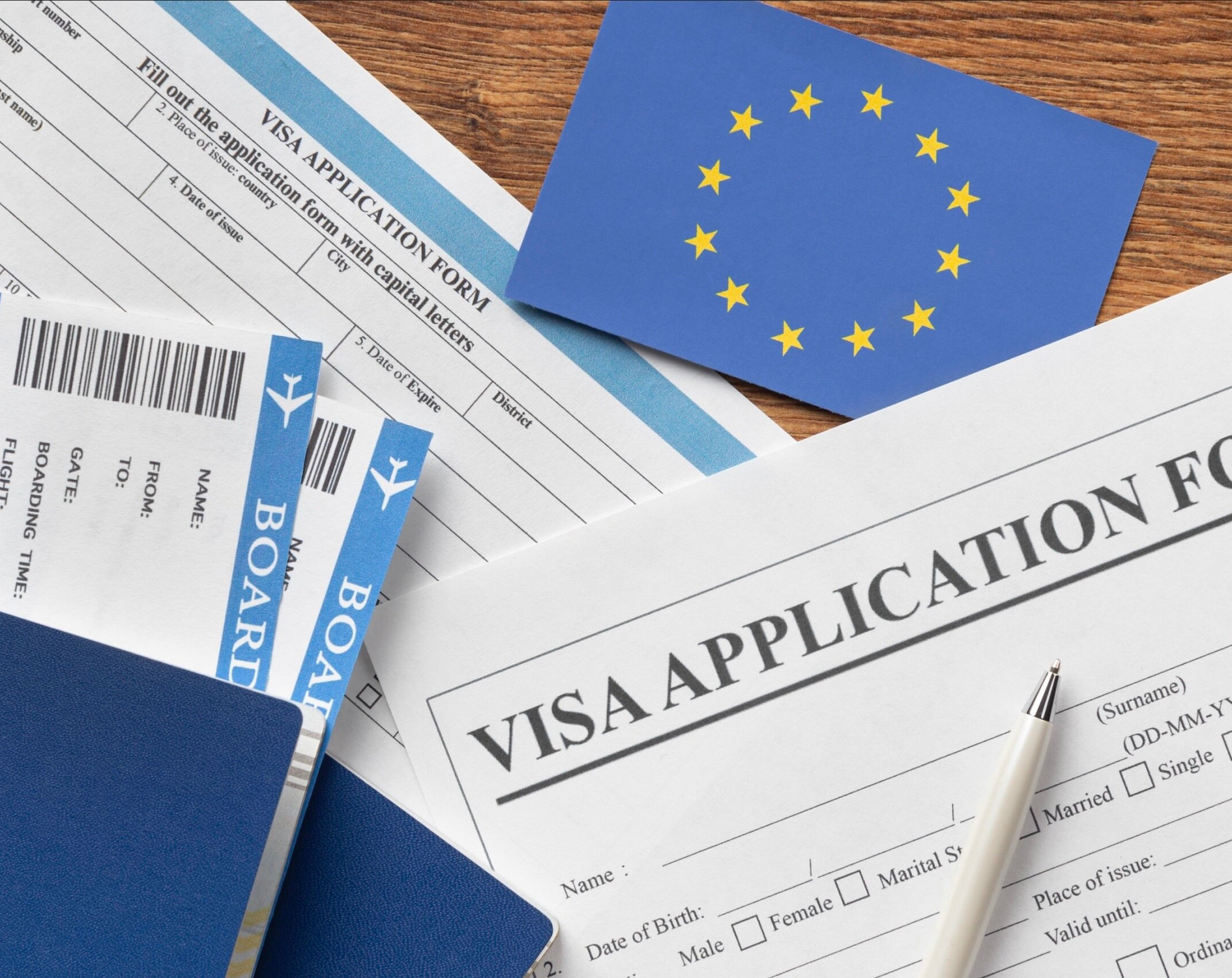

Imagine sitting down at a little trattoria in downtown Rome, ordering a plate of carbonara, with the Colosseum glowing gold in the evening light just outside. Or perhaps you’re planning a shopping spree in Milan or a photoshoot along the Amalfi Coast. Your flights are nearly booked, your itinerary is set, and then the question arises: what about the visa?
Securing an Italy Schengen visa from Dubai and Abu Dhabi is a straightforward procedure if you know the rules and follow a clear process. This guide breaks down exactly how UAE residents can apply for an Italian Schengen visa in 2026, covering the required documents, fees, timelines, and the key points you need to know for a successful application.
Do you need a visa for Italy?
The first step is figuring out whether you need a visa. This depends on the passport you hold. That said, to apply for a Schengen visa in the UAE, you do need to be a UAE resident, since applications go through the Schengen visa centers here based on your residency.
If your passport is from a country with a visa waiver agreement with the Schengen Area, such as the UAE, Qatar, or several other GCC countries, you can travel to Italy and the rest of the Schengen zone visa-free for short stays of up to 90 days within any 180 day period.
If your passport is from a country without such an agreement, including Russia, Kazakhstan, Belarus, India, Pakistan, and many others, you will need to apply for a Schengen visa through the UAE, using your Emirates ID and residency status to submit the application.
Tetiana, visa expert of The Visa Services:
“It is crucial to remember that if your UAE residence visa was issued in the emirate of Abu Dhabi, you must submit your application there. For residents whose visas were issued in Dubai, Sharjah, Ajman, Ras Al Khaimah, or Umm Al Quwain, applications are processed through the visa application centre located in Dubai.”
Not sure if you need a visa for your specific nationality?
Get a free consultation
How UAE residents apply for an Italy Schengen visa in 2026
When to apply through Italy: main destination rule
A critical rule of Schengen visa applications is the ‘main destination’ principle. You must apply at the embassy or consulate of the country that is the main destination of your trip. The main destination is defined as:
The Schengen country where you will spend the most number of days (nights).
If you plan to spend an equal number of days in multiple countries, you must apply at the embassy of the country where you first enter the Schengen Area.
Violating this rule is a common and costly mistake that can lead to a refusal, even if your application is otherwise flawless.
Italy Schengen visa requirements & documents
Careful preparation of your document file matters more than anything else. The consular officer bases their decision solely on the paperwork presented. Your documents must demonstrate your financial stability, strong ties to the UAE, and provide consistent details about your travel plans. Ensure all dates and names on your cover letter match your flight and hotel reservations.
Prepare the following documents for your Italy visa application from the UAE (not limited to the list below):
Passport: valid for at least 3 months beyond your planned return date. It must have been issued within the last 10 years and contain at least two blank pages for the visa sticker.
UAE Residence Visa & Emirates ID: a copy of your valid UAE residence visa and a copy of your Emirates ID (both sides). Your residence visa must be valid for at least 90 days after your intended return to the UAE.
Visa Application Form: the completed, printed, and hand-signed application form from the visa application centre’s website.
Photographs: two recent colour photographs (3.5 x 4.5 cm) on a white background, taken within the last 6 months. The face must occupy 70-80% of the frame. Photos for children must be no older than 3 months.
Bank Statements: a stamped bank statement from the last 3 months, on official bank letterhead. You should have a minimum balance of at least 1000 AED per day per person.
Employment Letter (NOC): a No Objection Certificate from your employer on company letterhead, stating your position, length of service, salary, and confirming your approved leave. It must be signed by an authorised person with contact details for verification. Include copies of your employment contract and company trade licence (if applicable). Business owners need to provide their trade licence.
Travel Itinerary: confirmed round-trip flight reservations and hotel bookings covering all nights of your stay, or a formal invitation from a host in Italy.
Travel Insurance: a medical insurance policy valid throughout the Schengen Area with a minimum coverage of €30,000 for medical emergencies and repatriation, covering the entire duration of your stay.
Tetiana, expert of The Visa Services:
“We frequently see applications delayed or rejected due to improperly formatted NOC letters. The signature and contact details of the issuer are non-negotiable; the consulate does perform checks. Also, be meticulous with dates on your hotel bookings; they must perfectly align with your flight itinerary.”
How to apply for an Italy visa from Dubai and Abu Dhabi
The application process is standard for all Schengen visas in the UAE. Follow these steps to apply successfully. If you are short on time or prefer a hassle-free experience, our team can handle the entire process for you.
Our team prepares your full Italy Schengen file, from form-filling to appointment booking.

Here is the step-by-step process for a self-application
1. Gather documents
Compile all necessary documents as per the checklist above.
2. Book an appointment
Schedule an appointment at the authorised visa application centre. Appointments open a few weeks in advance, and slots are limited, especially during peak seasons (autumn and spring). It is highly recommended to book as early as possible.
3. Attend the appointment
Visit the visa application centre on your scheduled date. Bring all original documents and copies. Staff will verify your file and collect your biometric data (fingerprints and photograph).
4. Pay the fees
Pay the consular fee and the visa application centre’s service fee at the centre.
5. Track your application
You will receive a reference number to track your application status online.
6. Get your passport with the visa
in person at the visa application centre, or arrange for courier delivery.
Fees, processing time & insurance
The Italy Schengen visa fees for applicants in the UAE are standardised. The consular fee for an adult and children aged 12 and above is €90. For children between 6 and 11 years old, the fee is reduced to €45. Children under 6 years old are exempt from the fee. These amounts are typically paid in AED at the centre’s exchange rate on the day of your appointment. These fees are non-refundable, even in the event of a visa refusal.
In addition, the visa application centre charges a service fee, which is approximately 95–200 AED.
Standard Processing Time
The standard processing time for a visa decision is 15 calendar days. However, during peak travel seasons, this can extend to 30 days. In exceptional cases, where additional documents are required, it may take up to 45 days. It is advisable to apply well in advance—ideally 6 to 8 weeks before your planned departure.
The 90/180 rule & what the visa lets you do
An Italy Schengen visa (Type C) grants you the right to travel within the Schengen Area for short stays. The key regulation is the 90/180-day rule: you cannot stay for more than 90 days in any 180-day period. This rule applies cumulatively across all countries in the Schengen Area.
A significant benefit of this visa is that it allows you to travel freely not only within Italy but across all 29 countries of the Schengen Agreement.
Common mistakes to avoid
When applying for your Italy visa from the UAE, be sure to avoid these frequent pitfalls:
- Applying too late, especially during peak season (May to September and November-December), appointment slots fill up quickly, and processing times are longer.
- Incorrect main destination: applying to the Italian consulate when you intend to spend most of your time in France is a guaranteed reason for refusal.
- A missing signature on the form, a statement without a stamp, or an old photograph can lead to delays or a rejection.
- Insufficient Financial Proof. The consulate must see that you can fund your trip and have resources to return to your life in the UAE. A fresh bank statement with a healthy balance is a non-negotiable requirement.
Why apply for your Schengen visa through our service?
Applying for a Schengen visa is a standard process, but it demands meticulous preparation. Our experience shows that we save our clients up to 30 hours of time spent on form-filling, document preparation, and searching for available appointments. That’s almost an entire working week of your time. This is especially valuable if you need your visa urgently, have had previous refusals, or are planning a trip for a large family with staff.
We know the UAE well. We understand the specifics of document submission through local visa application centres and what visa officers typically look for when reviewing applications. We also know how to craft a compelling cover letter if your financial transfers are not fully transparent or if your family members hold passports from different countries.
Planning Italy in 2026? Apply now; we handle the paperwork. With our expert assistance, our clients enjoy a high success rate of over 94% for Schengen visa applications.
Need fast, professional visa assistance?
Contact our team
How long does an Italy visa take from the UAE?
The standard processing time is 15 calendar days. During peak seasons or if additional documents are requested, this can increase to 30-45 days.
Can I visit other countries with an Italy Schengen visa?
Yes, an Italy Schengen visa allows you to travel to all 29 countries within the Schengen Area for the duration of your stay.
How early should I apply for an Italian visa?
It is recommended to apply at least 6-8 weeks before your intended travel date.
Do I need ETIAS for Italy in 2026?
The ETIAS system is expected to be launched in late 2026. It will be required for citizens of countries that can currently travel to the Schengen Area visa-free (including UAE nationals). You do not need ETIAS if you are applying for a Schengen visa. The visa itself grants you entry.