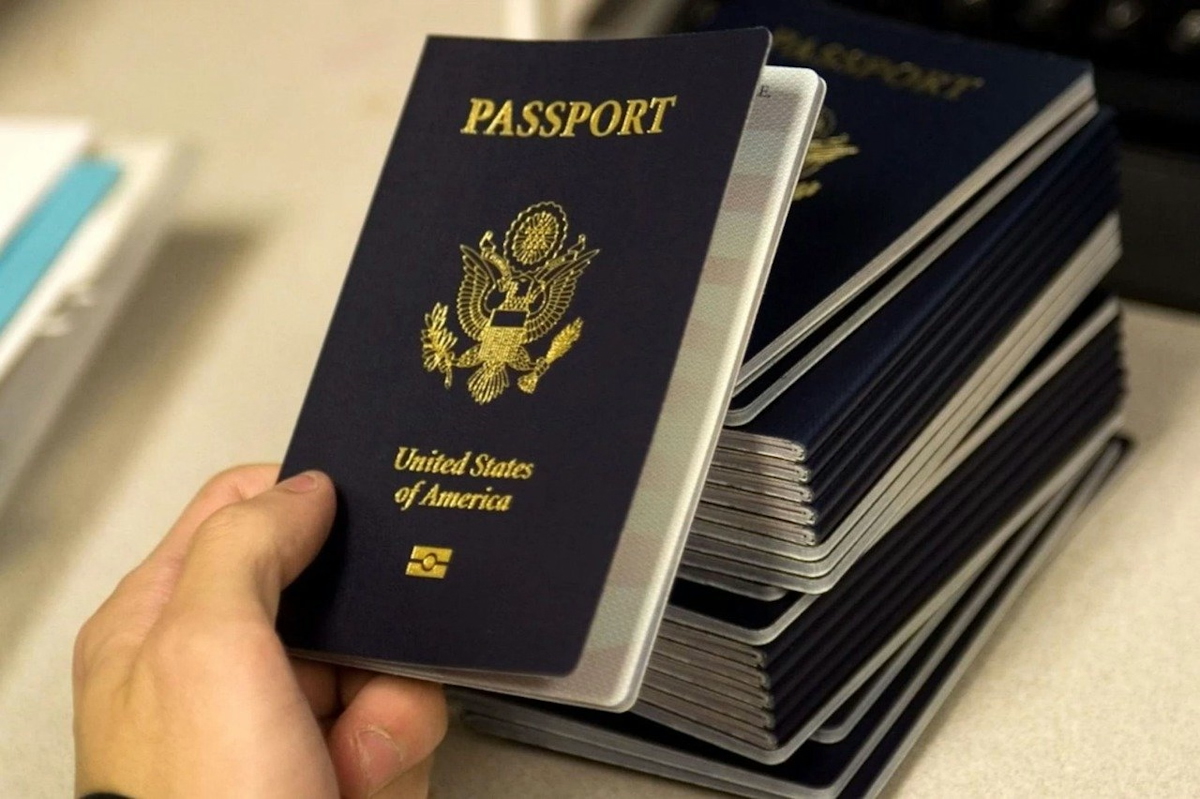
Planning a trip from Spain to the United States? Here’s the good news: as a Spanish citizen, you won’t need to go through the lengthy traditional visa application process for short visits. Spain is one of the countries participating in the U.S. Visa Waiver Program, which streamlines travel for tourism and business purposes.
But—and this is important—visa-free doesn’t mean paperwork-free. You’ll still need to obtain ESTA approval before your trip, and there are specific requirements you must meet. Let’s break down everything you need to know about traveling to the USA from Spain.
Understanding the Visa Waiver Program for Spanish Citizens
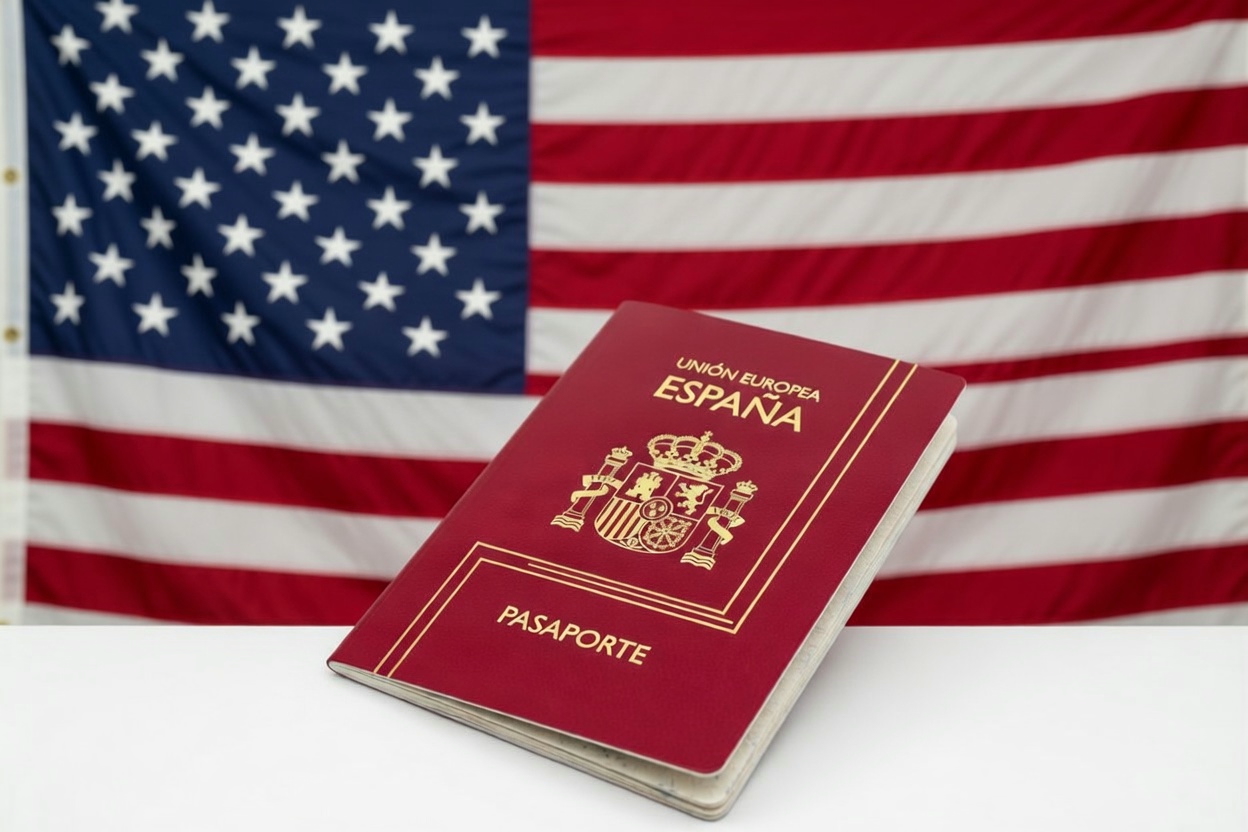
According to the Department of Homeland Security, the Visa Waiver Program (VWP) allows citizens of participating countries to travel to the United States for business or tourism for stays of up to 90 days without obtaining a traditional visa. Spain has been a trusted VWP partner for years, making American travel significantly easier for Spanish passport holders.
Here’s the thing though—the Visa Waiver Program isn’t automatic entry. It’s a privilege that comes with specific requirements and responsibilities.
What the Visa Waiver Program Covers
The VWP allows Spanish citizens to visit the United States for:
- Tourism and vacation travel
- Business meetings and conferences
- Visiting friends and family
- Medical treatment
- Participating in social events
- Short-term study (non-credit courses)
What it doesn’t cover: employment, long-term study, or permanent immigration. If you’re planning to work or study for credit in the U.S., you’ll need a different visa type entirely.
ESTA: Your Digital Travel Authorization
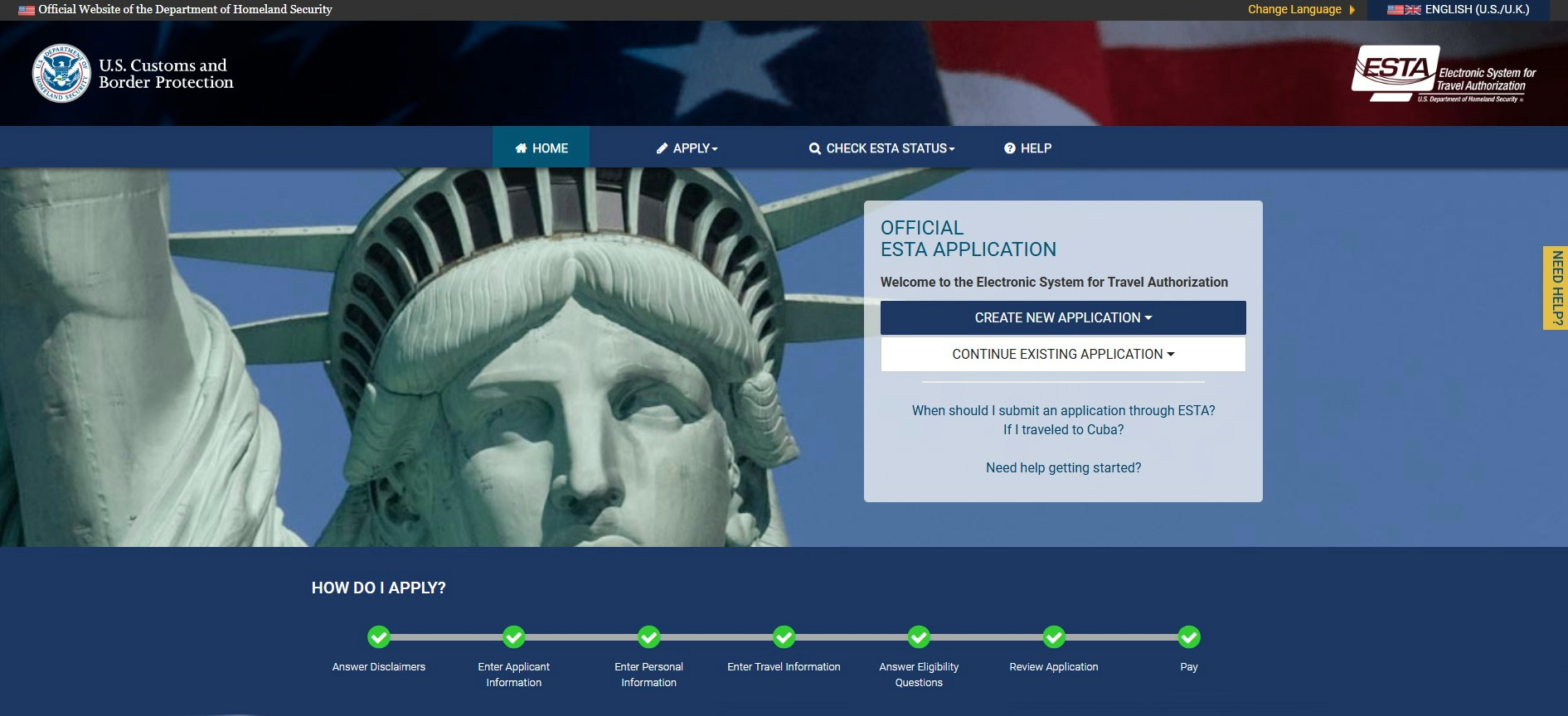
So what exactly is ESTA? The Electronic System for Travel Authorization is an automated system administered by U.S. Customs and Border Protection that determines eligibility for VWP travel. Think of it as a digital pre-screening process that happens before you even board your plane.
Travel forum discussions and community experiences consistently emphasize one critical point: apply for ESTA well before booking your flight. While many applications get approved within minutes, some require additional processing time.
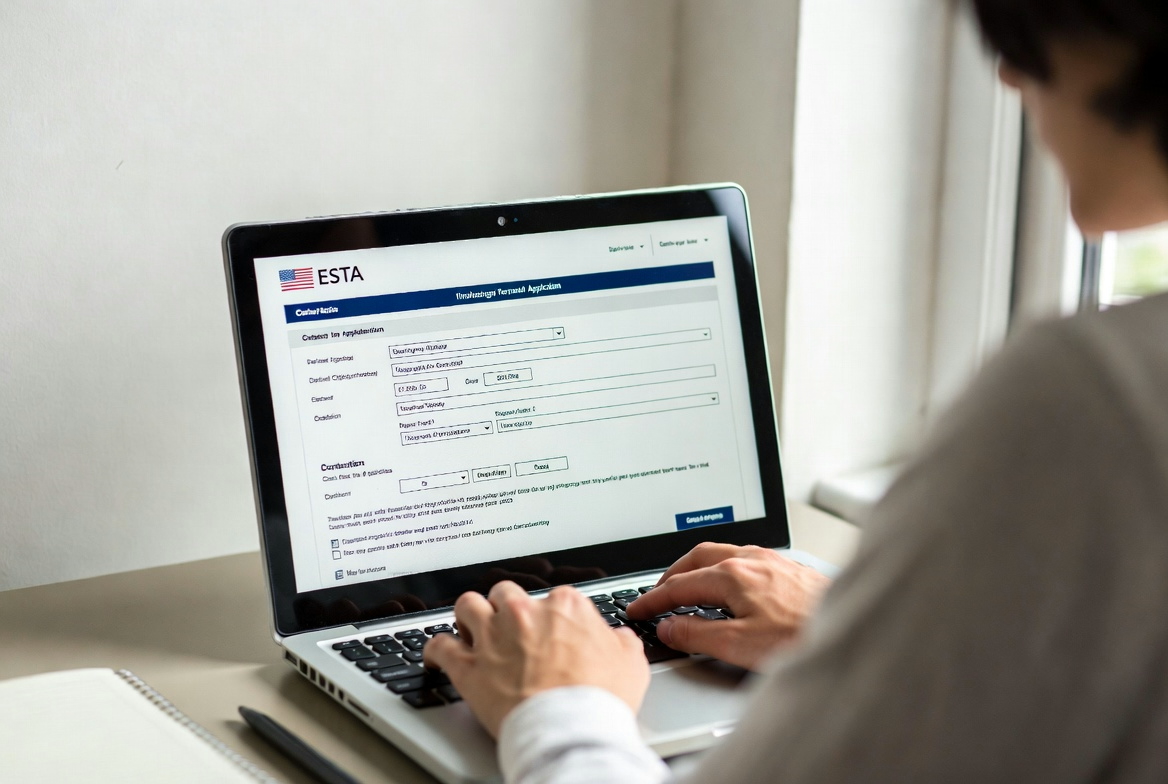
How to Apply for ESTA
The ESTA application process is straightforward, but you need to use the official government website. Real talk: there are dozens of third-party sites that charge inflated fees for ESTA applications. The official site is esta.cbp.dhs.gov, and as of 2026, the fee is $40.
Here’s what you’ll need:
- Valid Spanish passport (e-passport with electronic chip)
- Contact information and U.S. travel details
- Payment method (credit or debit card)
- Employment information
- Emergency contact details
The application takes about 20 minutes to complete. You’ll answer questions about your travel plans, health, criminal history, and previous visits to certain countries.
ESTA Validity and Updates
Once approved, your ESTA remains valid for two years or until your passport expires, whichever comes first. During this period, you can make multiple trips to the United States without reapplying, as long as each visit stays within the 90-day limit.
But wait. If you get a new passport, even if your ESTA hasn’t expired, you’ll need to apply for a new one. The ESTA is electronically linked to your specific passport number.
| Aspect | ESTA Details |
| Processing Time | Usually within 72 hours (often minutes) |
| Validity Period | 2 years or passport expiration |
| Cost | $21 USD (official site only) |
| Maximum Stay | 90 consecutive days per visit |
| Number of Entries | Multiple entries allowed |
Spanish Passport Requirements
Not all passports are created equal when it comes to VWP travel. According to U.S. Customs and Border Protection, you must have an e-passport—a biometric passport with an embedded electronic chip containing your personal information.
Spain has been issuing e-passports for years, so if you’ve gotten your passport recently, you’re covered. You can identify an e-passport by the small camera-like symbol on the front cover.
Passport Validity Rules
Your Spanish passport must be valid for the entire duration of your stay in the United States. Spain benefits from certain passport validity exemptions, meaning you don’t need extended validity remaining like travelers from some other countries do.
That said, it’s smart to have at least a few months of validity beyond your planned departure date. Travel plans change, and you don’t want to deal with passport renewal issues while abroad.
The 90-Day Limit: What You Need to Know
The 90-day maximum stay is firm. There are no extensions available for VWP travel, and overstaying even by a single day can have serious consequences for future U.S. travel.
Travelers frequently ask about resetting the 90-day clock by briefly visiting Canada or Mexico. According to U.S. Customs and Border Protection, this doesn’t work. Time spent in Canada, Mexico, and adjacent Caribbean islands is considered part of your 90-day period.
If you want to stay longer than 90 days, you’ll need to apply for an appropriate visa before traveling to the United States.

When Spanish Citizens DO Need a Visa
Now, this is where it gets interesting. While most Spanish citizens qualify for the Visa Waiver Program, certain circumstances require a traditional B-1/B-2 visa instead:
Travel to Restricted Countries
The Visa Waiver Program Improvement and Terrorist Travel Prevention Act of 2015 established important restrictions.If you’ve traveled to or been present in Iran, Iraq, Libya, North Korea, Somalia, Sudan, Syria, Yemen, or Cuba, you’re generally ineligible for ESTA and must apply for a visa. Limited exceptions exist for diplomatic or military travel on behalf of a VWP country.
Dual Nationality Considerations
Spanish citizens who also hold nationality from Iran, Iraq, North Korea, Sudan, or Syria cannot use the VWP, regardless of which passport they plan to travel on. Individuals who obtained Spanish citizenship through naturalization should be aware of this restriction based on their previous nationality.
Other Situations Requiring a Visa
- Working in the United States (even remote work for a foreign employer)
- Studying for academic credit
- Journalism assignments
- Permanent immigration intentions
- Previous immigration violations or criminal history
- ESTA application denial
| Travel Purpose | ESTA Allowed? | Visa Type Needed |
| Tourism/Vacation | Yes | N/A |
| Business Meetings | Yes | N/A |
| Employment | No | H-1B, L-1, etc. |
| Academic Study | No | F-1 or J-1 |
| Stays Over 90 Days | No | B-1/B-2 |
Entering the United States from Spain
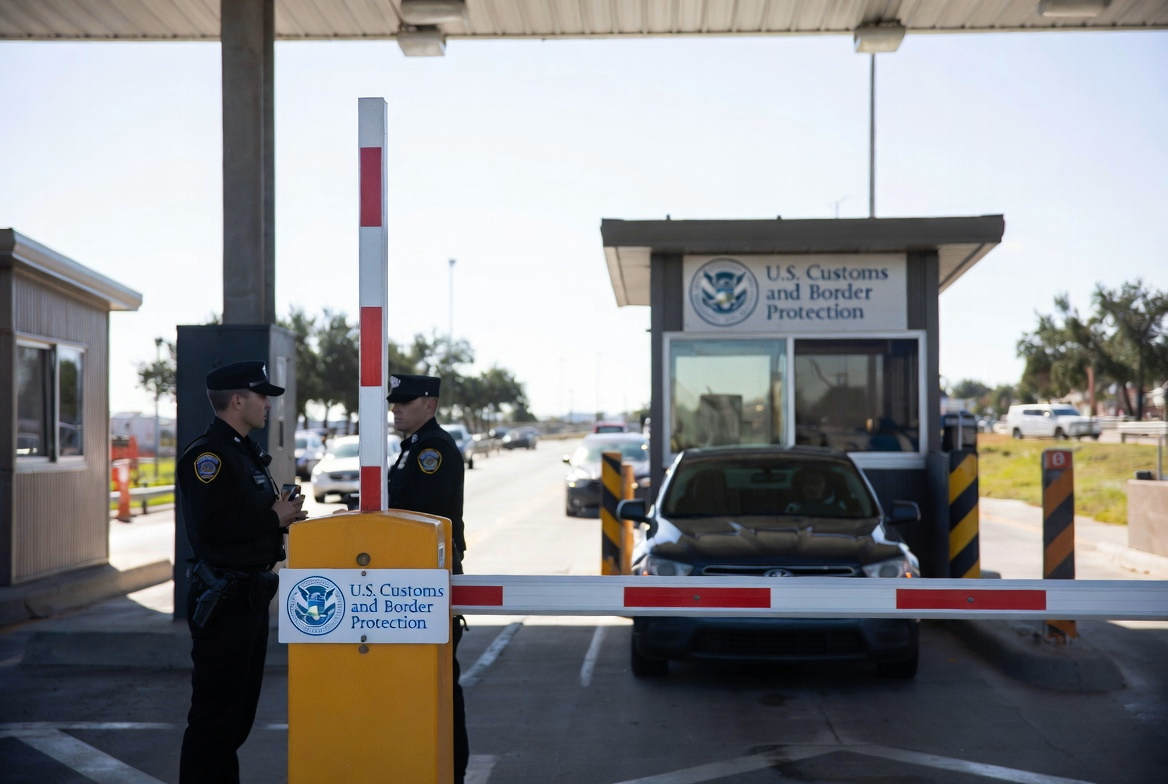
When you arrive at a U.S. port of entry, you’ll go through Customs and Border Protection inspection. Even with approved ESTA, admission isn’t guaranteed—CBP officers make the final determination about whether you can enter.
Be prepared to answer questions about:
- Purpose of your visit
- Where you’re staying
- How long you plan to remain
- Your ties to Spain (job, property, family)
- How you’re financing your trip
Honesty is crucial. Attempting to enter the U.S. for purposes not covered by the VWP (like working remotely or apartment hunting for a future move) can result in denied entry and cancellation of your ESTA.
What About Traveling Through the United States?
Here’s something important: the United States does not have a standard international transit zone. If you’re flying from Spain to Mexico with a layover in Miami, you’ll still need ESTA approval because you’ll technically enter U.S. territory.
Travelers should be aware of this requirement even if they’re not leaving the airport, as any stop on U.S. soil requires proper authorization.
Common Scenarios for Spanish Travelers
Recently Naturalized Spanish Citizens
People who recently obtained Spanish citizenship through programs like Spain’s Democratic Memory Law often wonder whether they can use ESTA or still need their old visa.
The answer is clear—once you have Spanish citizenship and a Spanish passport, you can apply for ESTA. If you still have a valid visa from your previous nationality, you can continue using it until expiration, but ESTA is generally more convenient for short visits.
Spanish Residents Who Aren’t Citizens
Living in Spain legally doesn’t qualify you for the Visa Waiver Program. The VWP is based on citizenship, not residency. If you’re a Romanian citizen living in Spain with a NIE, you must apply for a traditional B-1/B-2 visa.
Family Visits and Immigration Intentions
Many Spanish citizens visit the United States to see American partners or family members. This is perfectly acceptable under the VWP, but you need to demonstrate that you plan to return to Spain.
CBP officers are trained to identify potential immigration violations. If you’re in a serious relationship with a U.S. citizen and visiting frequently, expect that additional questions may be asked during your inspection.
Tips for a Smooth ESTA Application
Okay, so what about making sure your ESTA application goes through without issues? Here are some practical tips based on government guidelines and traveler experiences:
- Apply early. While most applications process quickly, technical glitches happen. Apply at least 72 hours before your flight, ideally when you book your trip.
- Use the official website. The only legitimate ESTA site is esta.cbp.dhs.gov. Third-party sites charge unnecessary fees and can’t process your application any faster.
- Double-check your passport information. A single typo in your passport number can cause your ESTA to be invalid. Triple-check before submitting.
- Save your application number. You’ll need it to check your ESTA status or make updates. Write it down or screenshot it.
- Answer honestly. Questions about criminal history or previous immigration violations require truthful answers. Providing false information on your ESTA can result in serious consequences for U.S. travel eligibility.
- Update changes. If your contact information, travel plans, or other details change after approval, you can update your ESTA without reapplying (unless your passport information changed).
What Happens If Your ESTA Is Denied?
ESTA denial is uncommon for Spanish citizens, but it happens. Common reasons include previous immigration violations, certain criminal convictions, or triggering security concerns in the application.
If your ESTA is denied, you won’t receive a detailed explanation. However, you can apply for a B-1/B-2 tourist visa at the U.S. Embassy in Madrid. The visa application process is more involved—requiring an in-person interview and additional documentation—but it’s your path to U.S. travel if ESTA isn’t an option.
According to U.S. Customs and Border Protection, there is no formal appeal process for ESTA denials. You can reapply if your circumstances change, but repeated applications with the same information won’t change the outcome.
Final Thoughts: Making Your U.S. Trip Smooth
So here’s the bottom line: Spanish citizens enjoy relatively easy access to the United States thanks to the Visa Waiver Program. You don’t need a traditional visa for short tourism or business trips, but you absolutely need ESTA approval before boarding your flight.
The process is straightforward if you follow the rules: use the official ESTA website, apply with plenty of time before your trip, ensure your Spanish passport is valid and biometric, and answer all questions honestly. Most applications get approved quickly, and your authorization will be good for two years of travel.
Remember the key limitations: 90 days maximum per visit, no employment allowed, and you must maintain strong ties to Spain that demonstrate your intention to return. Follow these guidelines, and your American adventure should start smoothly from the moment you land.
Ready to explore the United States? Start your ESTA application today at the official U.S. Customs and Border Protection website, and you’ll be one step closer to your American journey. Don’t wait until the last minute—applying early gives you peace of mind and ensures you’re fully prepared for your trip.
Frequently Asked Questions
No, Spanish citizens do not need a traditional visa for tourism or business visits under 90 days. However, you must obtain ESTA approval before traveling. Spain participates in the Visa Waiver Program, which streamlines the process but still requires pre-travel authorization.
The official ESTA application fee is $40 USD when you apply through the government website esta.cbp.dhs.gov. Be cautious of third-party websites that charge significantly more—they’re not necessary and don’t provide any additional benefits.
Spanish citizens can stay in the United States for up to 90 consecutive days under the Visa Waiver Program. This period cannot be extended, and you must leave before the 90 days expire. Trips to Canada, Mexico, or nearby Caribbean islands don’t reset this counter.
No, ESTA does not authorize employment in the United States, including remote work for foreign employers. If you plan to work in the U.S., you need an appropriate work visa such as an H-1B, L-1, or other employment-based visa category.
You’ll need ESTA approval even for layovers and transit through U.S. airports. The United States does not have international transit zones, so any stop on U.S. soil—even if you don’t leave the airport—requires proper authorization for Spanish citizens under the Visa Waiver Program.
Yes, once you hold Spanish citizenship and have a valid Spanish passport, you can apply for ESTA regardless of your previous nationality. If you still have a valid U.S. visa from your former citizenship, you can use either that visa or ESTA until the visa expires.
Overstaying your ESTA authorization—even by one day—results in automatic revocation of your ESTA and can make you ineligible for the Visa Waiver Program in the future. You may also face difficulties obtaining U.S. visas and could face other consequences including potential bans from entering the United States.